Not so long ago, I was the one sitting in the chemo chair. I’ve spent years supporting women through their hormones, from periods and fertilityright through to menopause. Then I was diagnosed with breast cancer, and suddenly I was the patient. Mastectomy, chemotherapy, radiotherapy, and now hormone therapy that keeps my oestrogen low. Almost overnight I was thrown into a medical menopause, and even with everything I knew, it floored me. So I want to be really clear from the start. Acupuncture didn’t replace my treatment. My oncology team saved my life and I’m hugely grateful to them. But acupuncture, alongside good food, movement, rest and support, helped me get through it feeling more like me.
What medical menopause really feels like
A natural menopause usually creeps in over years. A medical one can arrive in weeks. Hot flushes, night sweats, broken sleep, aching joints, anxiety and brain fog. For many women, HRT isn’t an option after breast cancer, so they’re often left feeling there’s nothing else they can do.
There is, and the evidence is growing.
The research that inspires me
Beverley de Valois has done brilliant work here. For 15 years at Mount Vernon Cancer Centre, she ran a NADA ear acupuncture service for breast cancer survivors struggling with hot flushes and night sweats from their hormone therapy. Her analysis covered more than 300 women and over 2,000 treatments. Daily hot flushes fell by around 40% by the end of treatment, and the benefit was still there 18 weeks later. Women also reported better sleep and less anxiety, with no serious side effects.
What I love most is how simple it is. Five tiny needles in each ear, given in a relaxed group seting. Its the same with the Rebalance Method ™ Auricular protocol I use with women in my own clinic.
Where acupuncture fits during chemo and beyond
During treatment, acupuncture can help with nausea, fatigue, sleep and that wired, anxious feeling so many of us carry. Afterwards, it can ease hot flushes and the joint pain that often comes with hormone tablets. I see this working every week, with women in the middle of treatment and women trying to find their feet again
afterwards.
But it’s one part of a bigger picture. In clinic I also look at nutrition, gut health, stress, sleep and movement, because your body is trying to recover from an awful lot at once. Acupuncture works best as part of that toolkit.
Safety really matters
If you’re having treatment, always tell your oncology team, and look for an acupuncturist with oncology training. We avoid needling an arm at risk of lymphoedema, we think carefully about timing around chemo and blood counts, and we work with your medical team, never against them.
What’s next
I have a pilot study in progress with the University of Leeds, looking at group ear acupuncture and education for menopause symptoms. I can’t wait to share more once it’s published.
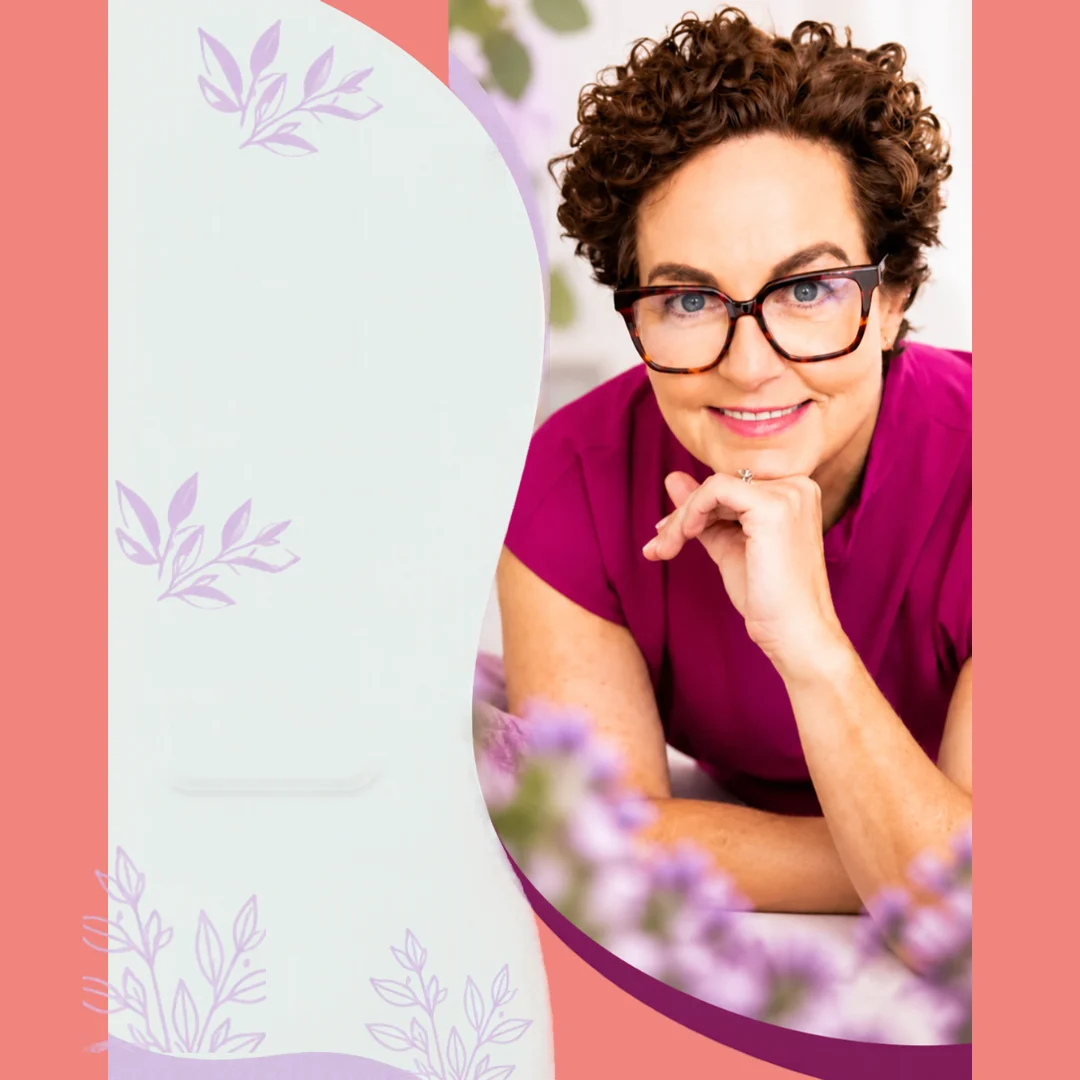
Claire Hurst is a qualified acupuncturist and menopause clinician, and founder of Rebalance Menopause, named Menopause Clinic of the Year at the Prestige Awards two years running. She also runs Rebalance Academy working with businesses to support women throughout their hormonal career. She is Chair of the Acupuncture
Regulatory Authority, a mycologist and a keynote speaker, and trains both practitioners and businesses on menopause.
Book onto Claire’s 2 day Menopause and Acupuncture course.