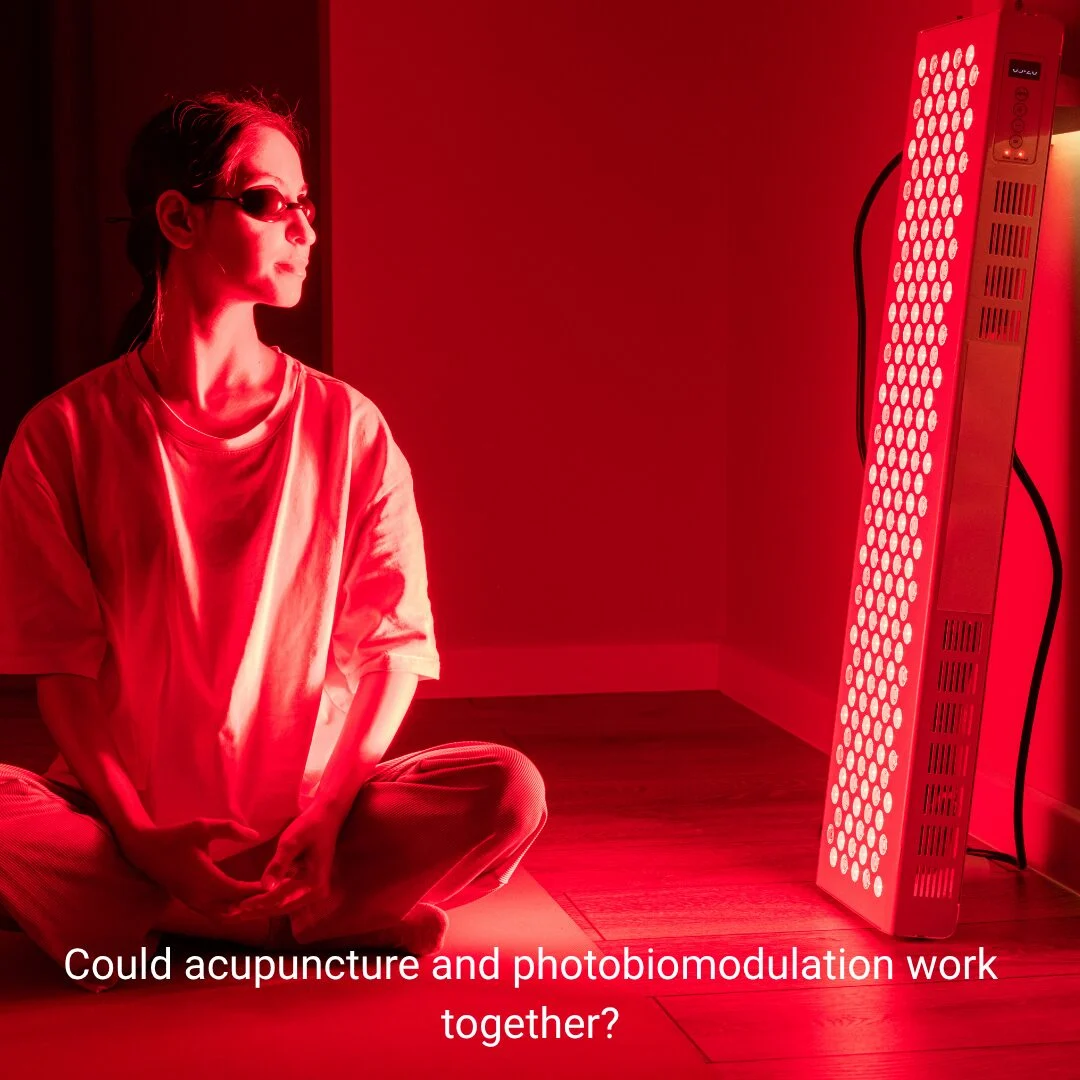
As healthcare continues to evolve, so too does acupuncture practice. While acupuncture has been used for thousands of years to support health and wellbeing, many practitioners continue to explore how modern technologies may complement traditional techniques and enhance patient care.
One area attracting increasing interest is photobiomodulation (PBM), sometimes referred to as light therapy.
Although often associated with aesthetics, photobiomodulation is being explored across a much wider range of healthcare applications, including pain management, injury rehabilitation, tissue recovery and skin health. For some acupuncturists, it offers another therapeutic option that may be incorporated into an individualised treatment plan alongside acupuncture.
What is photobiomodulation?
Photobiomodulation uses specific wavelengths of light to interact with the body’s tissues and support normal cellular processes.
Unlike treatments that generate heat, photobiomodulation uses low-level light energy. Different wavelengths are being investigated for different purposes:
- Red light is commonly researched for its potential role in supporting skin health, tissue repair and cellular function.
- Near-infrared light penetrates deeper into the body’s tissues and is being explored in areas such as pain management, muscle recovery and rehabilitation.
- Blue light is often associated with skin-focused applications and has been investigated in relation to certain inflammatory skin conditions.
Research into photobiomodulation continues to grow, with studies exploring how it may be used across a variety of healthcare settings.
Why are some acupuncturists incorporating photobiomodulation into practice?
Acupuncture has always evolved alongside advances in healthcare. Today’s practitioners combine traditional knowledge with modern clinical understanding to provide personalised care based on each patient’s individual needs.
Photobiomodulation is one example of this evolving practice.
Rather than replacing acupuncture, some practitioners are choosing to use light therapy alongside traditional acupuncture techniques where they believe it may complement their clinical approach.
Although acupuncture and photobiomodulation work in different ways, both aim to support the body’s natural healing processes. Acupuncture stimulates carefully selected points based on a detailed clinical assessment, while photobiomodulation delivers targeted wavelengths of light to specific tissues.
For practitioners who combine the two, the goal is to create an integrated treatment approach that supports recovery, wellbeing and overall patient care.
Importantly, the technology never replaces clinical expertise. Assessment remains at the heart of acupuncture practice, ensuring that treatment is tailored to the individual rather than following a one-size-fits-all approach.
Supporting pain management and injury recovery
Pain is one of the most common reasons people seek acupuncture treatment, whether for musculoskeletal conditions, sports injuries or persistent pain.
Photobiomodulation is also being researched for its potential role in supporting pain management, reducing inflammation and promoting tissue repair. Because near-infrared wavelengths penetrate deeper into tissues than visible light, some practitioners incorporate them alongside acupuncture when working with muscles, tendons and other soft tissues.
For patients recovering from injury, surgery or ongoing musculoskeletal problems, combining acupuncture with photobiomodulation may form part of a broader rehabilitation plan designed to support recovery and help people return to their daily activities.
As with acupuncture, treatment decisions are based on individual assessment, health history and clinical goals. No two treatment plans are exactly the same.
Facial acupuncture and photobiomodulation
Facial acupuncture has grown in popularity as more people seek approaches that support healthy skin and overall wellbeing.
While facial acupuncture is often associated with aesthetics, it remains rooted in the principles of traditional acupuncture. Treatment involves a detailed assessment of the individual, considering their overall health as well as their concerns about the skin.
Healthy skin depends on many factors, including circulation, tissue health, inflammation, lifestyle, sleep, nutrition and the body’s natural repair processes.
Some practitioners are exploring how photobiomodulation may complement facial acupuncture by supporting these natural processes.
Research is continuing into the potential role of different wavelengths:
- Red light is commonly studied for its potential role in supporting collagen production, skin health and tissue repair.
- Near-infrared light is being explored for its ability to reach deeper tissues and support healing and recovery.
- Blue light has been investigated in relation to certain inflammatory skin conditions.
For practitioners who combine facial acupuncture with photobiomodulation, the aim is not simply cosmetic enhancement. Instead, the focus is on supporting healthier skin while taking a holistic view of each person’s health and wellbeing.
As with all healthcare treatments, responses vary between individuals. Outcomes are influenced by many factors, including age, lifestyle, overall health, skincare routine and the personalised treatment plan developed by the practitioner.
Looking to the future
The profession continues to evolve as practitioners explore how traditional acupuncture approaches may sit alongside emerging technologies.
Photobiomodulation is one example of how some acupuncturists are expanding their clinical toolkit while maintaining the core principles of personalised, patient-centred care.
As research continues to develop, conversations around integrated approaches to healthcare are likely to grow. For patients, this means having informed discussions with qualified practitioners about the treatment options that may be appropriate for their individual needs.
At the AAC, we welcome thoughtful discussion around innovation in acupuncture practice and the ways practitioners continue to combine clinical expertise, traditional knowledge and emerging research to support the people in their care.
We’d love to hear from our members:
Are you incorporating photobiomodulation into your acupuncture practice? How are you using it alongside your treatments?