

Sports Acupuncture: Shaping the Future of Injury Recovery
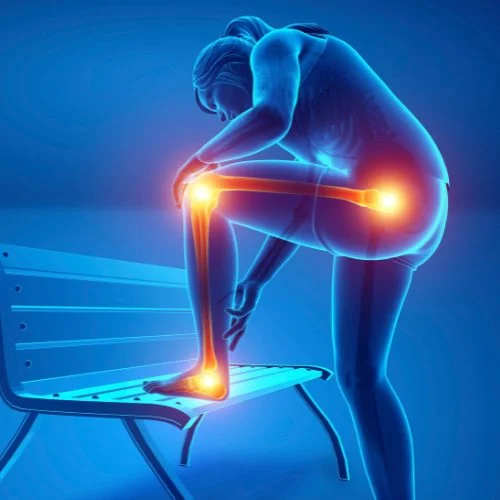
Over recent years, a remarkable shift has emerged in the world of injury rehabilitation: sports acupuncture is increasingly recognised as the go-to therapy for musculoskeletal (MSK) and sports-related injuries. Where elite athletes and weekend warriors once relied solely on physiotherapy or massage, acupuncture is stepping firmly into the spotlight—with compelling results in reducing pain, enhancing recovery, and restoring function.
More patients are seeking out practitioners who can blend the precision of anatomy with the holistic benefits of Traditional Chinese Medicine (TCM). Targeted needling helps release muscle tension, improve blood flow, and soothe nerve irritation—making it ideal for treating strains, tendon issues, shoulder and back pain. Unsurprisingly, acupuncture is moving from support role to leading recovery strategy.
For acupuncturists and therapists alike, this momentum presents an exciting opportunity to elevate practice, attract a broader clientele, and become trusted specialists in sports recovery. But to meet that demand with competence and confidence, practitioners need access to robust, hands-on training—and that’s where AAC’s CPD offerings come in.
Two Pathways to Master Sports & MSK Acupuncture
First, there’s the two-day “Treatment of Sports & MSK Injuries with TCM and Acupuncture” course (8–9 November 2025, Macclesfield), which bridges classic TCM principles with modern clinical insights. Participants deepen their understanding of injury physiology and anatomy, while developing advanced needling proficiency—including techniques like thread needling, eagle claw, stonehenge, and starfish. The course also covers integrated treatment planning with therapeutic creams, balms, and herbal plasters. It’s a rich, research-informed training experience taught by Kevin Young who is a Chartered Physiotherapist, Traditional Acupuncturist, Sports Therapist and Sport Massage Therapist and is aimed at transforming practitioners into confident sports acupuncture clinicians.
Second, for those wanting a highly practical, modality-focused course, the “Musculoskeletal and Sports Injury CPD (Including Acupuncture)” offers an immersive one-day (or half-day) programme with Chris Davies, CEO of the AAC. This training dives into tendon anatomy, healing phases, and introduces tools like Gua Sha, cupping, cosmeceuticals, and specialised tendon release techniques. The practical emphasis is clear: learn how to elicit effective De-Qi even in non-standard areas, and develop hands-on skills that can be immediately applied to real clinical cases.
Why This Matters for Your Clinic’s Future
Incorporating sports acupuncture into your clinic’s offerings doesn’t just broaden your scope—it distinguishes you as a modern, evidence-informed provider. Here’s how:
- Meet evolving patient demand: More active individuals are seeking rapid, effective recovery—sports acupuncture delivers.
- Stand out with advanced treatments: Advanced needling, tendon protocols, and multi-modal tools like Gua Sha and cupping set your practice apart.
- Deliver better outcomes, faster: Understanding healing physiology and healing phases means better treatment timing and recovery results.
- Be a trusted, future-ready clinician: Acquiring these skills positions your clinic at the forefront of evolving MSK care trends.
Sports acupuncture is no longer a niche—it’s emerging as an essential part of effective, holistic injury recovery. By committing to CPD courses like these, you’re investing in your clinic’s growth, boosting your treatment outcomes, and aligning with the future of MSK healthcare.
Look at the latest CPD courses in the Shop
Share:
Related Posts

Acupuncture, Breast Cancer and the Menopause Nobody Warns You About
Not so long ago, I was the one sitting in the chemo chair. I’ve spent years supporting women through their hormones, from periods and fertilityright

Meet Our Members: Discover Qualified Degree-Level Acupuncturists Across the UK
At the Association of Acupuncture Clinicians (AAC), we’re proud of our members and the experience, knowledge and range of treatments they offer. That’s why we’re

Ancient Practice, Modern Connections: Introducing the AAC WhatsApp Channel
Acupuncture has a long history, but the ways we share knowledge, learn from one another and connect with the wider world continue to evolve. At

Bringing Acupuncturists Together: Building Connections Across the AAC
Being an acupuncturist can sometimes feel like a solitary profession. Whether you work from your own clinic, share a space with other practitioners or work

Amazing Opportunity – Join The Clinician Editorial Team
Do you have a passion for acupuncture, plenty of ideas and enjoy connecting with people? We’re looking for a proactive new member to join the